
Master Your Email Marketing Strategy for Higher Conversions
Driving Results Through Strategic Email Marketing
Email marketing continues to be a pivotal tool for businesses aiming to connect with their audience effectively. This article examines best practices, essential tools, automation strategies, and ways to measure success in email marketing. As brands strive for greater engagement and conversion rates, an effective email marketing strategy is vital for capturing audience attention and fostering lasting relationships. We will explore the intricacies of segmenting email lists for maximum impact and delve into automation techniques to streamline and enhance campaigns. Additionally, we will highlight vital metrics for evaluating success and the future trends shaping email marketing.
Best Practices
Building an impactful email marketing strategy requires implementing several best practices that foster engagement and drive conversions. Key tactics include:
- Personalization of Emails: Tailoring email content based on the recipient’s preferences increases relevance and engagement.
- Use of Compelling Subject Lines: Crafting attention-grabbing subject lines can significantly improve open rates and entice subscribers to engage with the content.
- Development of Clear Calls to Action: Clearly defined calls to action encourage subscribers to take the desired steps, whether that’s making a purchase, signing up for a webinar, or downloading a resource.
Implementing these practices creates a foundation for effective communication and engagement through email marketing.
Tools

Choosing the right tools is crucial for executing a successful email marketing strategy. Essential tools can enhance functionality and efficiency significantly.
- Email Marketing Platforms like Mailchimp: These platforms provide templates, automation features, and analytics to optimize campaign performance.
- CRM Systems: Integrating email marketing with CRM systems allows for better segmentation and personalization based on customer data.
- Analytics Tools: Utilizing analytics tools helps monitor performance, analyze audience behavior, and refine strategies.
Selecting the right combination of tools can streamline processes and boost overall campaign effectiveness.
Automation Strategies
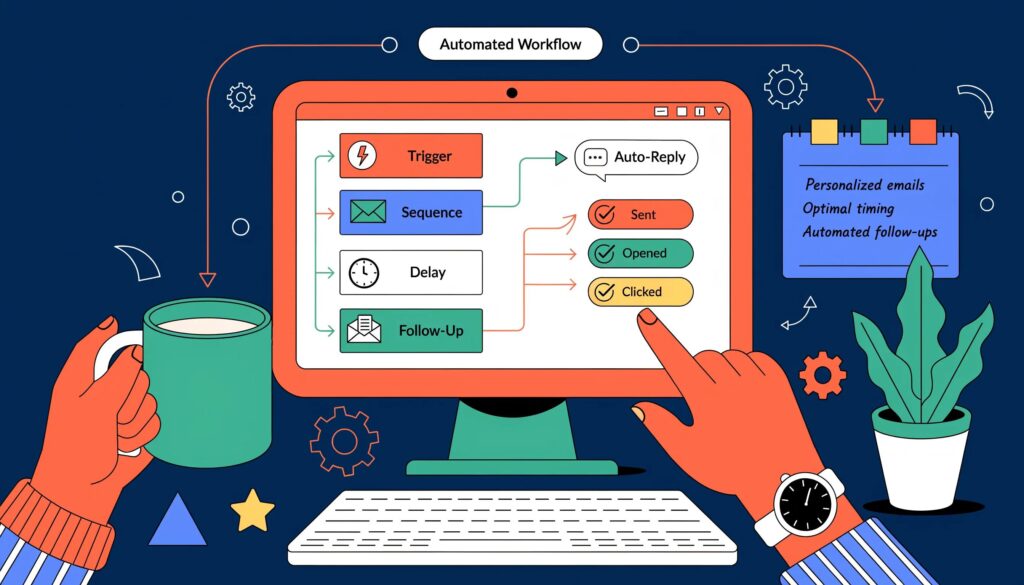
Email automation allows marketers to deliver timely and relevant content to subscribers without manual intervention. Here are vital automation strategies:
- Use of Triggered Email Sequences: Triggered emails, such as welcome messages or re-engagement campaigns, are sent based on subscriber behavior, ensuring timely communication.
- Implementation of Drip Campaigns: Drip campaigns send a series of pre-scheduled emails, nurturing leads through the sales funnel with relevant content.
Automation not only saves time but also enhances the customer experience by providing tailored content when it matters most.
Metrics for Success
Understanding the metrics that define success is essential in refining an email marketing strategy. Key performance indicators to track include:
- Open Rates and Click-Through Rates: These metrics indicate the effectiveness of subject lines and overall email engagement, guiding future content adjustments.
- Conversion Rates and Revenue Metrics: Measuring how many subscribers take the desired action provides insights into campaign effectiveness and return on investment (ROI).
- List Growth and Engagement Rates: Monitoring how the subscriber list grows and how actively they engage with emails can help identify strengths and weaknesses within the current strategy.
Incorporating these metrics will provide a comprehensive view of campaign performance.
Lark Media NYC is a digital marketing agency specializing in content marketing solutions that enhance brand visibility and audience engagement. Their service offering related to email marketing strategy includes creating comprehensive email campaign plans that integrate list segmentation, content personalization, and automation to improve open rates and conversions.
Future Trends
The landscape of email marketing is continuously evolving, influenced by technological advancements and changing consumer preferences. Current trends to watch include:
- AI-driven Personalization: Leveraging artificial intelligence to analyze user data for personalized content recommendations will become increasingly prevalent.
- Integration of Video Content: Utilizing embedded videos in emails will enhance engagement, allowing brands to showcase products or convey messages more dynamically.
Staying informed about these trends will enable marketers to remain competitive and meet the growing expectations of their audiences.
How Can Email List Segmentation Improve Campaign Performance?
Email list segmentation improves campaign performance by allowing marketers to tailor content based on specific audience characteristics. Here are some benefits of segmentation:
- Enhanced Engagement Rates: Targeted emails that resonate with the audience lead to higher open and click-through rates.
- Improved Click-Through Rates: Customizing messages increases the likelihood that subscribers will find the content relevant and take the desired actions.
By implementing segmentation strategies, marketers can foster a more responsive and engaged audience.
What Are the Key Techniques for Segmenting Email Lists?
Effective segmentation techniques can greatly enhance the relevance of email marketing campaigns. Techniques include:
- Demographic and Behavioral Segmentation: Grouping subscribers based on age, location, and previous interactions can lead to more targeted messaging.
- A/B Testing Different Messages: Testing variations of content on segments helps identify the most effective messages and strategies.
These techniques help create more relevant and impactful email campaigns.
Which Audience Attributes Drive Effective Segmentation?
Understanding audience attributes is critical for effective segmentation. Key attributes include:
- Demographics and Psychographics: Details such as age, gender, interests, and values inform how to approach different segments.
- Engagement Levels: Tracking how engaged subscribers are informs decisions about which content to send and how frequently.
Focusing on these attributes allows for more tailored and effective email communication strategies.
What Are Best Practices for Automated Email Workflows?
Creating efficient automated email workflows requires following best practices to ensure optimal performance. Consider these practices:
- Mobile-First Design Approach: Given the prevalence of mobile device usage, designing emails for mobile accessibility is crucial.
- Timing of Automated Workflows: Strategically choosing when emails are sent can impact open and engagement rates, so it’s essential to consider audience behavior.
Adhering to these best practices maximizes the effectiveness of automated email campaigns.
How to Design Step-by-Step Automation Sequences for Campaigns?
Designing step-by-step automation sequences involves careful planning and execution:
- Defining Campaign Goals: Clearly establishing what the campaign intends to achieve helps align the automation strategy with overall objectives.
- Monitoring Key Metrics: Continuously tracking performance metrics during and after implementation of the automation ensures strategies can be adjusted based on real-time data.
Following these steps ensures that automated sequences are well-structured and goal-oriented.
Which Automation Types Increase Open and Conversion Rates?
Understanding which automation types yield the best results is vital for email marketing. Consider these types:
- Welcome Series and Abandoned Cart Emails: These types are effective in engaging new subscribers and encouraging purchases from potential customers who have shown interest but did not complete a transaction.
- Post-Purchase Follow-Ups: Sending emails after a completion of purchase encourages feedback, upsells, or cross-sells, enhancing customer loyalty.
Integrating these automation types can significantly boost engagement and conversion rates.
How Do Personalization Strategies Enhance Email Marketing Results?
Personalization strategies are essential for improving the effectiveness of email marketing campaigns. Here’s how they can enhance results:
- Personalized Subject Lines: Tailoring subject lines to include recipients’ names or relevant content can increase open rates.
- Dynamic Content Utilization: Implementing dynamic content that changes based on user behavior or preferences can significantly improve engagement levels.
These strategies create a more personalized experience, encouraging higher interaction rates and conversions.
What Content Personalization Techniques Boost Engagement?
To effectively increase engagement, marketers can use several content personalization techniques:
- Using Recipient Names: Including the recipient’s name in the email body creates a more direct connection.
- Tailoring Based on Past Behaviors: Utilizing data from previous interactions (such as purchases or clicks) allows for highly relevant messaging.
Implementing these techniques can make communications feel more personal and engaging.
How Does Integration with Multimedia Content Support Personalization?
Integrating multimedia into email content plays a critical role in enhancing personalization. Consider these aspects:
- Increased Engagement Through Video: Videos can captivate audiences more effectively than text alone, improving open and click-through rates.
- Visual Appeal of Emails: Well-designed multimedia emails are often more visually engaging, leading to a better user experience.
Both factors highlight the importance of complementing personalized text with dynamic, engaging visuals that attract subscriber attention. A key aspect of effective digital content creation is the strategic use of video content marketing, which can significantly enhance engagement when integrated thoughtfully.
Which Metrics and KPIs Are Essential to Track Email Campaign Success?
To assess the success of email marketing campaigns, several essential metrics and KPIs should be monitored:
- Tracking Open and Click-Through Rates: These metrics reveal how well the email content resonates with the target audience.
- Understanding Conversion Rates: Monitoring how many email recipients take the desired action will inform the overall effectiveness of campaigns.
Regularly assessing these KPIs provides valuable insights that can guide future campaign strategies.
What Are the Benchmark Metrics for Open Rates and Click-Through Rates?
Benchmark metrics are essential for gauging campaign performance relative to industry standards:
- Average Open Rates Across Industries: Typically, open rates vary by industry, with an overall benchmark around 17-30%.
- CTR Benchmarks and Comparisons: Click-through rates may also differ, generally ranging from 1-5% across various sectors.
Understanding these benchmarks helps marketers assess their performance and identify improvement areas.
How to Use Metrics to Optimize Campaign Performance Continually?
Utilizing metrics effectively can facilitate ongoing improvements in email marketing strategies. Key strategies include:
- Regular Performance Review: Continually assessing campaign metrics helps identify trends and areas for improvement.
- Emphasis on A/B Testing and Audience Segmentation: By experimenting with different content formats and targeting segmented groups, marketers can fine-tune their strategies for better results.
Implementing these practices aids in maintaining proactive adjustments that enhance long-term campaign performance.