
Driving Business Growth Through Strategic Video Marketing
Video marketing is one of the most powerful tools in the digital landscape as we move into 2026. Brands are increasingly recognizing its potential for engaging audiences, conveying messages, and driving conversions. In this article, we will explore the strategic content approaches that make video marketing effective, the emerging trends shaping its evolution, and the measurable impacts it has on business performance. With many businesses facing challenges in capturing audience attention in a crowded marketplace, leveraging video marketing effectively can offer a sustainable competitive advantage. We will delve into the key video marketing trends of 2026, the role of personalization and storytelling, and how effective strategies can maximize growth outcomes. Additionally, we will analyze metrics for measuring success and how platforms can amplify video content reach.
Strategic Content Approaches
Effective video marketing relies on several strategic content approaches that focus on delivering value to the audience. Firstly, incorporating storytelling into video campaigns creates an emotional connection that fosters viewer engagement. Utilizing narrative techniques can turn a simple message into a relatable story that captivates viewers, making it more shareable. Secondly, understanding audience targeting strategies is crucial—knowing the demographics, interests, and preferences of your target market enables the creation of tailored content that resonates with viewers. Finally, adopting diverse content distribution methods ensures videos reach the intended audience via multiple channels, including social media, email campaigns, and paid ads, broadening visibility and engagement.
What Are the Key Video Marketing Trends Shaping Business Growth in 2026?
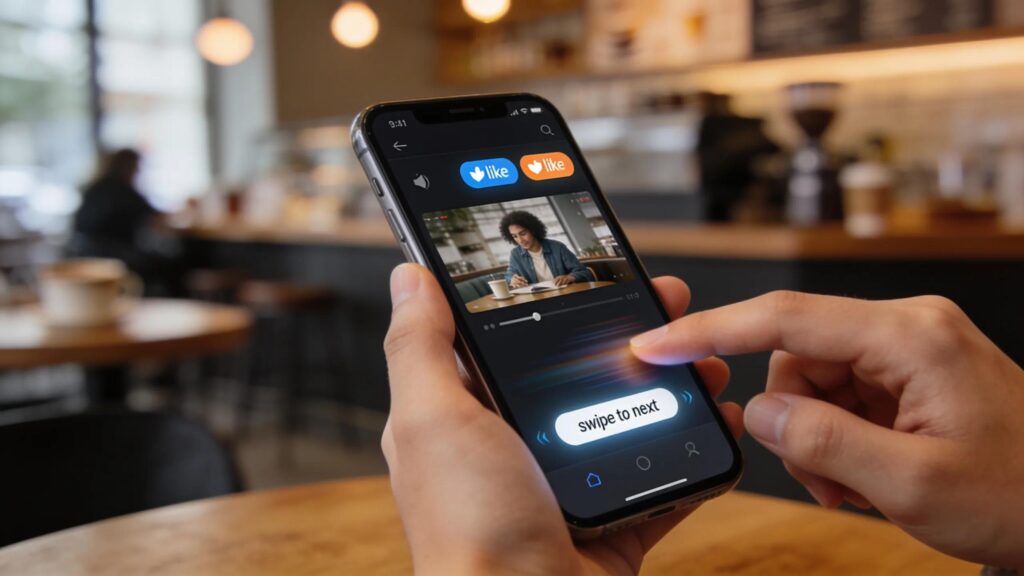
Several trends are expected to dominate video marketing in 2026. One significant trend is the rising demand for interactive video content, which fosters active participation from viewers, enhancing their engagement. Similarly, live streaming has surged in popularity, as real-time interaction offers authenticity and immediacy that recorded videos cannot match. Moreover, the increasing preference for short-form video content reflects the fast-paced attention spans of modern consumers, compelling brands to communicate messages succinctly yet impactfully.
Emerging Trends
In 2026, businesses will need to stay ahead of emerging trends to leverage video marketing effectively. Augmented reality (AR) is expected to offer immersive experiences that allow users to engage with products in unique ways, bridging the gap between digital and physical worlds. Furthermore, data-driven strategies will continue to refine targeting and personalization efforts, providing insights into viewer preferences and behavior that can shape content creation and distribution tactics.
Measurable Impacts on Business Performance
The impact of video marketing on business performance can be significant. Research indicates that businesses utilizing video content can expect substantial increases in engagement levels and a higher likelihood of conversions. For instance, companies that implement video marketing strategies may see a rise in website visit duration, particularly with engaging content that holds the viewer’s attention. Additionally, video content enhances a brand’s SEO performance, as videos are more likely to rank well on search engines, leading to increased visibility and organic traffic.
What Role Does Personalization and Storytelling Play in Effective Campaigns?
Personalization and storytelling are paramount in crafting effective video campaigns. Tailored messaging ensures that the content resonates with the viewer’s individual experiences and needs, thereby enhancing connection and relatability. Building emotional connections through authentic storytelling can create a lasting impression, making viewers more likely to engage with the brand post-viewing. Companies that successfully blend personalized narratives with compelling visuals can drive higher retention rates and foster brand loyalty.
How to Develop a Video Content Strategy That Maximizes Business Growth?
Creating a video content strategy that drives business growth involves several critical steps. Businesses should begin by defining clear objectives that align with broader business goals. This ensures that video content serves a specific purpose—whether it’s brand awareness, lead generation, or customer education. Conducting thorough audience research is the next step, enabling the identification of preferences and behaviors that guide content creation. Lastly, an effective content distribution plan is essential, encompassing various platforms and formats to ensure maximum reach and impact.
What Are the Best Practices for Aligning Video Content with Business Objectives?
Aligning video content with business objectives requires adherence to established best practices. Organizations should start with clear goal setting, allowing teams to measure success against defined benchmarks. Understanding target audiences is also crucial; crafting personas based on demographic data enables tailored messaging that directly speaks to the viewer’s needs. Additionally, incorporating content diversity—varying formats and styles of video—ensures that campaigns engage a wider audience segment, enhancing overall effectiveness.
How Does Platform-Specific Optimization Enhance Video Reach and Conversion?
Each digital platform has unique characteristics that necessitate specific optimization strategies. Tailoring video content to meet platform standards—including length, format, and editorial style—ensures that videos perform better. For example, short attention spans on social media demand concise and visually captivating content. Adapting the content to utilize platform-specific features can significantly enhance audience reach and conversion rates.
Which Metrics Are Essential for Measuring Video Marketing Success and ROI?
Assessing video marketing success relies on tracking essential metrics. Key performance indicators (KPIs) including view counts, engagement rates, and conversion rates provide a comprehensive overview of how well video content is performing. These metrics illuminate viewer behavior and preferences, guiding future video content strategies. Monitoring these indicators allows businesses to refine their approaches continuously, leading to improved outcomes.
| Metric | Description | Value |
|---|---|---|
| View Counts | Total number of times a video is viewed | Essential for reach |
| Engagement Rates | Percentage of viewers interacting with content | Indicators of relevance |
| Conversion Rates | Percentage of viewers taking a desired action | Direct ROI measure |
This systematic comparison of key performance metrics for video marketing provides insight into the aspects that most significantly influence success.
How to Track Engagement and Conversion Rates Effectively?
Effective tracking of engagement and conversion rates requires utilizing analytics tools designed to gather detailed insights. Platforms such as Google Analytics and social media insights can provide real-time performance data that informs strategy adjustments. Regularly analyzing this data helps businesses adapt their video content based on viewer interactions and preferences, ensuring ongoing relevance and impact.
What Tools and Methods Support Accurate Video Marketing Analytics?
Several tools are essential for enhancing video marketing analytics. These include Google Analytics, which delivers comprehensive insights into traffic sources and viewer behavior, and YouTube metrics that offer in-depth performance statistics specific to video content. Social media insights also play a crucial role, enabling businesses to understand how videos perform across different platforms, further refining their video strategies.
What Role Do Video Platforms and Distribution Channels Play in Driving Growth?
Video platforms and distribution channels are vital to the success of any video marketing strategy. Choosing the right platforms—whether YouTube for broader reach or Instagram for targeted engagement—is key to maximizing video visibility. Adaptation of video content to fit through different channels enhances reach, as brands can share consistent messaging through strategic storytelling across various formats.
Which Platforms Offer the Highest ROI for Video Marketing in 2026?
In 2026, YouTube, TikTok, and Instagram are anticipated to offer the highest returns on investment for video marketing. YouTube remains a leader due to its extensive reach and diverse audience, while TikTok’s emphasis on engaging, short-form content continues to captivate younger demographics. Instagram, with its innovative video features, appeals greatly to visual storytellers aiming to engage viewers and drive traffic.
How Can Businesses Optimize Cross-Platform Video Distribution?

To optimize cross-platform video distribution, businesses should develop clear platform-specific strategies that address the strengths and audience reach of each channel. Understanding audience targeting within platforms and customizing content accordingly can significantly enhance engagement rates. Furthermore, adapting content for various formats—such as vertical videos for mobile—enables organizations to maintain consistency across channels while ensuring maximum viewer impact.
How Do Case Studies Demonstrate Video Marketing's Impact on Business Growth?
Case studies are critical in illustrating the effectiveness of video marketing in driving business growth. For example, companies that adopted targeted video marketing strategies reported increased sales as a direct result of engagement improvements—some experienced conversion rates rise by over 30%. Additionally, testimonials case studies reveal consumer affinity towards brands that utilize relatable video storytelling techniques, highlighting the importance of emotional connections.
How Do Tailored Video Marketing Solutions Enhance Client Success?
Tailored video marketing solutions can significantly boost client success by providing customized approaches that address specific business challenges. By designing strategies that focus on individual client needs, companies can deliver impactful messaging that resonates with the target audience. Real-world examples show that clients implementing tailored video solutions often achieve measurable outcomes, driving improved engagement and heightened brand loyalty.
How Can Lark Media NYC’s Video Marketing Services Accelerate Business Growth?
Lark Media NYC specializes in crafting customized video marketing strategies that effectively support business growth. Our service offerings encompass a comprehensive suite of video production solutions, from conceptualization to execution, ensuring alignment with client goals. By leveraging advanced techniques and data-driven insights, Lark Media helps clients streamline their video marketing efforts and achieve measurable results through strategic content delivery.
What Comprehensive Video Content Marketing Solutions Does Lark Media Offer?
Lark Media offers a variety of comprehensive video content marketing solutions, including:
- Custom Strategies: Tailored plans that align with individual business objectives.
- Production Services: High-quality video production that adheres to best practices in storytelling and engagement.
- Performance Optimization: Methods to refine video campaigns based on analytics and viewer feedback.
Lark Media’s dedication to both creative production and data-driven strategy ensures robust outcomes for every client engagement.
How Does Lark Media Integrate Data-Driven Strategy with Creative Production?
At Lark Media, we seamlessly integrate data-driven strategies with creative video production. This approach ensures that all content produced is not only visually compelling but also effective in achieving targeted marketing goals. By analyzing viewer engagement and response data, our creative team is able to optimize productions iteratively, ensuring that the final product resonates strongly with the intended audience and delivers favorable outcomes.
Video Marketing Stack for DTC Brands in 2026
The real video marketing stack for a DTC brand in 2026 is cheaper and more practical than either, and it’s built on four video types: product loops, UGC testimonials, tutorial/how-to content, and short-form paid ads for Meta and TikTok. This article walks through what each type actually does, what to shoot with, where to distribute, and how to measure whether any of it is working.
Video Marketing for E-Commerce: Everything You Need to Know, G Tiwari, 2026